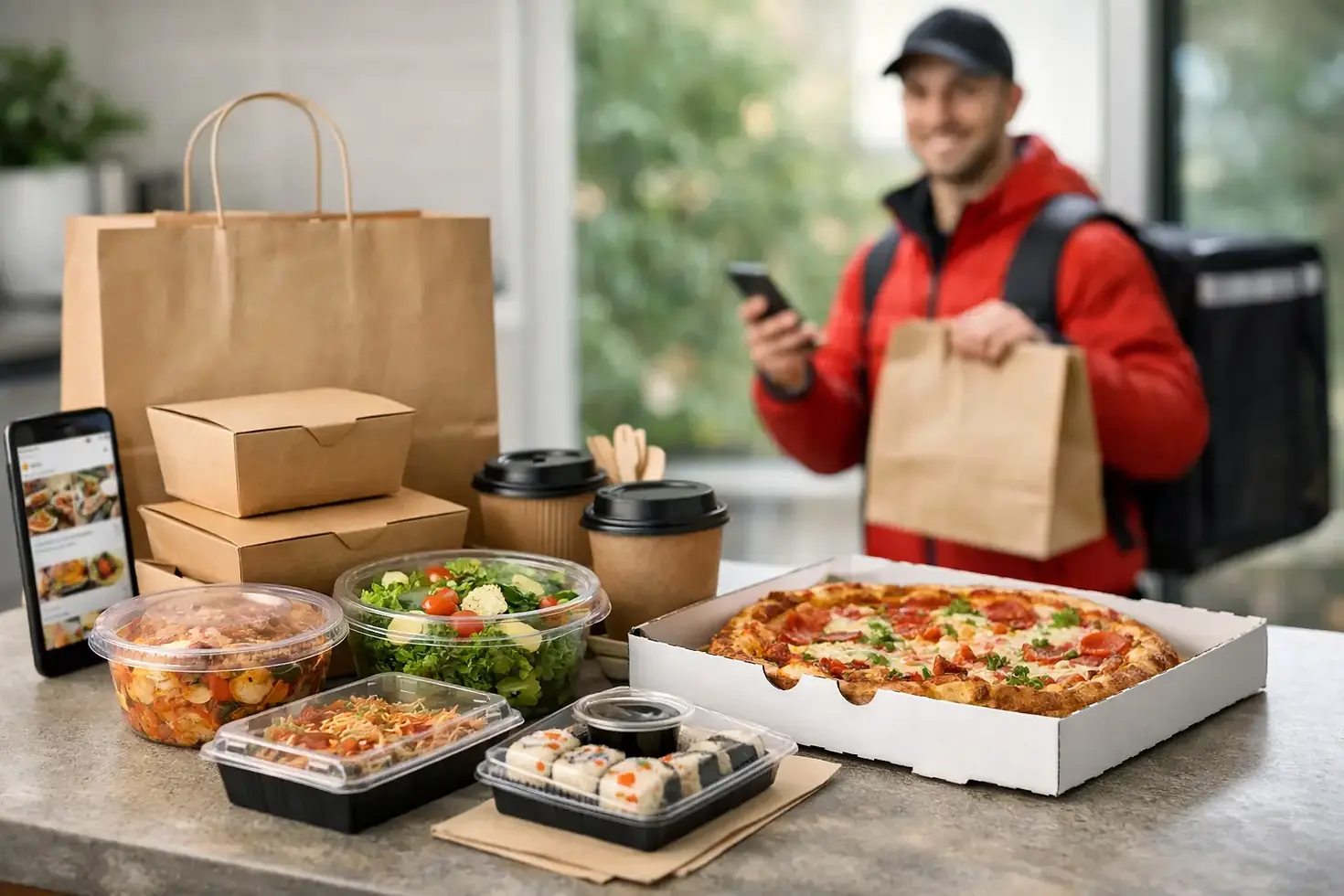
A Guide to Local Food Delivery That Works

Dinner usually gets decided in about 90 seconds - right between wrapping up work, getting kids settled, or realizing lunch break is almost over. That is exactly where a good guide to local food delivery helps. The best local delivery experience is not just about getting food to your door. It is about getting the right meal, at the right time, from a place that actually understands your area, your schedule, and what people nearby want to eat.
Local food delivery has changed how people handle everyday meals. It is no longer only for special occasions or lazy weekends. For a lot of families, workers, and casual diners, it is part of the weekly routine. But convenience alone is not enough. If the food arrives late, travels badly, or feels like the same generic menu you could get anywhere, delivery stops feeling worth it pretty fast.
Why a guide to local food delivery matters
There is a real difference between ordering from a nearby independent restaurant and placing an order with a business built for broad, one-size-fits-all volume. Local delivery tends to work best when the restaurant knows its service area, keeps the menu focused, and understands which items hold up well on the road.
That matters more than people think. Pizza with a crisp wood-fired edge, baked pasta with real texture, or hot comfort food packed correctly can still taste like it was meant to. On the other hand, even good food can disappoint if it is rushed into weak packaging or sent too far. A smart local restaurant plans for travel time, portion value, and order accuracy because repeat customers notice those details.
For customers, that means the goal is not simply finding a place that delivers. The goal is finding a place that delivers well.
How to choose the right local delivery spot
Start with distance. The closer the restaurant is to your home or workplace, the better your odds of getting hot food in good condition. Delivery range is not just a technical detail. It affects texture, temperature, and timing. A baked dish can stay warm longer than fries, and a pizza can travel well if it is packed right, but almost every item has a limit.
Next, look at the menu with delivery in mind. Some foods are built for the trip. Lasagna, pizza, sandwiches, salads, and hearty sides usually travel better than delicate fried items or dishes that depend on being served immediately. If you are ordering for a group, this becomes even more important. You want food that arrives ready to share, not meals that need rescue the second they hit the table.
Then consider what makes the restaurant different. Local food delivery is at its best when the meal feels like it came from somewhere with a point of view. Signature preparation methods, stronger ingredients, or a menu built around a few standout items can make delivery feel less like a backup plan and more like a solid choice.
The best times to order local food delivery
Timing affects everything. If you order right in the middle of the lunch rush or at peak dinner hours, expect more demand on both the kitchen and the driver side. That does not mean you should avoid those windows. It just means planning ahead helps.
For lunch, ordering a little early often works in your favor, especially for office meals or quick break orders. For dinner, families usually do better when they decide before everyone is already hungry. Last-minute ordering is still useful, but it increases the odds of substitutions, slower service, or settling for whatever is available fastest.
Weather and local events matter too. Rain, school nights, weekend games, and community events can all push delivery volume up. A nearby restaurant with a defined service area usually handles those patterns better than a business trying to cover too much ground.
What makes local delivery worth the money
People usually think about price first, but value is the bigger question. A strong delivery order should save time, feel satisfying, and arrive in portions that make sense for the cost. That might mean one large pizza that feeds everybody, a pasta order that stretches into leftovers, or a combination meal that covers both convenience and appetite.
This is where local restaurants can stand out. Instead of leaning on endless menu sprawl, many do better by offering a tighter lineup of dishes they know customers come back for. That focus often leads to better consistency. You are not paying just for transport. You are paying for less hassle, a better chance of getting what you expected, and food that still feels special once it arrives.
There is a trade-off, of course. National delivery options may look broader at first glance. But bigger selection does not always mean better dinner. If the food is average and the service feels detached, convenience starts to lose its shine.
A practical guide to local food delivery for families and workdays
For families, the best delivery orders are simple to divide, filling, and easy to count on. Think meals that cover different appetites without turning dinner into a negotiation. A mix of pizza, baked pasta, salads, and shareable sides usually works better than trying to satisfy everyone with separate complicated meals.
For workdays, speed and predictability matter more. Lunch has a shorter decision window, so the easiest win is ordering from a place with straightforward online ordering and a menu you can understand in one minute. If you are feeding a small team, choose items that hold heat and can be served fast without a mess at the desk or break room.
For both situations, repeat ordering has real value. Once you know a local restaurant delivers reliably to your area, you remove a lot of friction from future meal decisions. That matters on busy Tuesdays just as much as it does on weekends.
How to get a better delivery experience every time
A few small habits improve results right away. Double-check the address before submitting the order, especially if you are sending food to work, a school office, or a relative's house. Add useful delivery notes when needed, but keep them clear and brief. The goal is to help, not create confusion.
Pay attention to estimated timing, but treat it as a range rather than a guarantee. Kitchens get busy. Drivers hit traffic. A reliable local operation usually gives you a better shot at consistency, but food service still has moving parts.
It also helps to order items that match the moment. If you need something quick and filling, go for proven favorites. If it is a relaxed dinner at home, that is the time to order the dishes that feel a little more indulgent. Comfort food delivery works best when it solves the actual need in front of you.
Why local flavor beats generic convenience
The strongest reason to order local is simple: better connection between the food and the people making it. When a restaurant is rooted in the community, it usually shows up in the menu, the service, and the consistency. You are more likely to find signature dishes, stronger follow-through, and food that feels made by people who want you to come back next week.
That is especially true when the restaurant has a clear specialty. In North Central Ohio, diners looking for handcrafted comfort food often want more than standard takeout. They want something with a little character - smoked, wood-fired, baked fresh, packed well, and easy to order. That is where a local operator can really separate itself from the usual app-first experience.
Robsagna is a good example of that difference. When a local restaurant builds its delivery around distinctive favorites instead of generic volume, customers feel it in every order.
A good local delivery choice should make your day easier without making the meal forgettable. That is the sweet spot. Order from places close enough to deliver well, focused enough to do a few things really right, and practical enough to keep the process easy. When you find that combination, dinner stops feeling like one more task and starts feeling handled.


Comments